Understanding Post-Surgery Swelling: What Is Normal, What Isn’t, And Why It Matters
Swelling is one of the most common experiences after surgery. It’s also one of the most confusing.
Patients expect it to decrease immediately or steadily after surgery ends. Instead, swelling often increases during the first few days—sometimes looking worse on day 3 than on the day of surgery itself. This gap between expectation and reality triggers anxiety for many people, especially those recovering in unfamiliar environments far from home.
Understanding why swelling happens, how it progresses normally, and which patterns warrant concern transforms one of recovery’s most stressful symptoms into something manageable and predictable.
The Biology: Why Swelling Happens After Surgery
Swelling after surgery isn’t a complication or a sign of failure. It’s evidence that your body’s healing response is working exactly as designed.
What happens during surgery: A surgeon creates an incision and manipulates tissues to access the area being treated. Even though the surgeon is careful and precise, surgery still causes trauma to tissues. Blood vessels are opened. Tissue cells are disrupted. The immune system immediately recognizes this as an injury that requires repair.
The inflammatory response: Your immune system responds by sending inflammatory cells and fluid to the surgical area. This inflammation serves specific purposes: it brings white blood cells to prevent infection, it brings nutrients to support tissue repair, and it stabilizes the area to prevent further damage during the acute healing phase.
This is necessary healing. Without inflammation, wounds wouldn’t repair properly. But inflammation manifests as visible swelling—something patients often mistake for a problem rather than a solution.
Why it’s visible: The swelling you see is a combination of fluid accumulation (edema) in the tissue spaces around the surgical area, and the inflammatory response that creates puffiness. This accumulation is largest in the first few days after surgery when the inflammatory response is most active.
The intensity of swelling depends on several factors: the extent of the surgery, individual healing capacity, age (older patients often swell more), activity level (more activity increases swelling), and positioning (gravity affects where fluid accumulates).
The Timeline: How Swelling Actually Changes Day by Day
Understanding the typical swelling progression helps you recognize what’s normal—and what requires attention.
Days 1-2: Initial swelling appears Swelling is mild to moderate at this stage. Many patients are still in the hospital or in early recovery at home. Pain is usually the dominant complaint, so swelling gets less attention. Some patients actually don’t notice much swelling yet, thinking “maybe swelling won’t be too bad for me.” This is misleading—swelling hasn’t peaked yet.
Days 3-5: Peak swelling This is when most patients panic. Swelling reaches its maximum around day 3-4, sometimes not until day 5. Many patients describe looking worse on day 3 than on day 1. You might be significantly puffier, potentially less able to open your eyes (if facial surgery), or noticing that fitting into regular clothes feels impossible. This peak is temporary but feels alarming if you weren’t expecting it.
The swelling can also feel uneven—one side more swollen than the other, or swelling distributed differently than you expected. Patients often worry the uneven swelling indicates a problem. In reality, gravity, sleeping position, and individual healing patterns create natural asymmetries that resolve over time.
Days 6-10: Visible improvement begins By the second week, swelling starts noticeably decreasing. You still feel uncomfortable and probably look somewhat puffy, but there’s clear improvement compared to day 5. This improvement is psychological relief—you can see healing is happening.
Days 11-21: Continued improvement Swelling reduces more gradually now. By the end of the third week, many people look “somewhat back to normal” to casual observers, though you’ll still notice puffiness when you look in the mirror. Activity tolerance improves, and you can resume more normal daily tasks.
Weeks 3-8: Residual swelling phase Even though most visible swelling is gone, subtle swelling can persist for weeks. You might notice slight puffiness in the mornings (worst when you first wake up), or swelling that increases with activity or at the end of the day. This residual swelling is normal and gradually decreases.
Weeks 8-12+: Final resolution Most residual swelling resolves by 8-12 weeks, though some procedures take longer. The exact timeline depends on the procedure—facial procedures usually resolve faster (2-3 months) than body procedures (3-6 months). Extreme final results might not be visible for 6-12 months.
What Normal Swelling Actually Looks Like: The Details Matter
Knowing the general timeline is helpful, but recognizing what normal swelling actually feels and looks like helps you distinguish routine recovery from concerning changes.
Appearance: Normal swelling is usually symmetric or fairly balanced between sides (though some asymmetry is normal). It’s typically smooth and “puffy” rather than lumpy. The skin over the swelling might look shiny or feel tight, but the skin itself is typically normal colored (not red or hot to the touch).
Sensation: Normal swelling feels tight, heavy, or tense—like your skin is pulled over a pillow. You might feel pressure or fullness in the area. Some numbness or tingling is normal (nerves are responding to swelling and healing tissue).
Distribution: Swelling often follows gravity. If you had facial surgery and sleep with your head elevated, swelling concentrates lower on your face. If you sleep flat on one side, that side swells more. This is expected and changes as you change positions.
Changes throughout the day: Normal swelling is typically worst first thing in the morning (fluid accumulated overnight) and improves somewhat with activity and elevation as the day goes on. This daily variation is completely normal and not a sign of a problem.
Changes with activity: Increased activity tends to increase swelling temporarily. You do more walking on day 5, and by evening, swelling is noticeably worse. This is normal—rest reduces swelling the next day. The key is that moderate activity doesn’t cause lasting increased swelling; it’s a temporary, reversible increase.
When Swelling Requires Medical Attention: The Red Flags
Not all swelling is routine. Certain patterns warrant evaluation by your surgeon.
Rapid increase in swelling: If swelling suddenly increases significantly over 2-3 hours (not days), this could indicate bleeding or a complication. Call your surgeon.
Swelling accompanied by severe pain: Some discomfort is normal, but severe pain combined with increasing swelling can indicate a blood clot (deep vein thrombosis) or other serious complication. This needs immediate evaluation.
Warmth, redness, or heat: Swelling should be cool to the touch or normal temperature. If the swollen area feels warm or hot, or if the skin over it is red and tender, this suggests infection. Call your surgeon.
Swelling that doesn’t improve by week 3: Most surgical swelling starts improving noticeably by day 7-10. If swelling seems to be getting worse or not improving by week 3, discuss this with your surgeon (though some procedures have longer swelling timelines, so this depends on your specific surgery).
Swelling that progressively worsens after initially improving: If swelling was improving on schedule but then suddenly worsens again, this is unusual and warrants evaluation.
Swelling affecting function critically: If swelling is so severe it affects breathing, closing your eyes, or other critical functions, get immediate medical attention. This is different from “I look really swollen”—this is swelling that prevents normal body function.
Swelling on only one side with no improvement: Some asymmetry is normal. But if one side is dramatically more swollen than the other, and this doesn’t improve over 2-3 weeks, mention this to your surgeon.
Why Swelling Feels More Concerning When You’re Abroad
Recovering in another country amplifies swelling anxiety for several reasons:
Lack of familiar reference points. You’ve never had this surgery before, so you don’t know what “normal swelling” should look like. You can’t call a friend who had the same procedure to ask “is this what yours looked like?” You’re interpreting everything based on assumptions.
Unfamiliarity with your surgeon. If you’re a medical tourist, your surgeon may be someone you just met. You might not have the confidence to call with questions. You don’t know their communication style or whether they’ll think you’re being overly cautious.
Language barriers. Describing swelling and symptoms in a second language is harder. You might struggle to convey exactly what you’re seeing, making your surgeon’s reassurance feel less credible.
Limited support network. Without family nearby, you’re managing the emotional weight of recovery alone. This magnifies how concerning everything feels.
Different healthcare culture. If you’re from a country where post-operative follow-up is intensive, Thai post-operative care might feel hands-off. If you’re used to minimal follow-up, extra medical contact might feel unnecessary. Either way, the difference creates uncertainty.
The Importance Of Tracking Changes: Simple Documentation Helps
One of the most effective ways to manage swelling anxiety is to document what’s happening—not obsessively, but consistently.
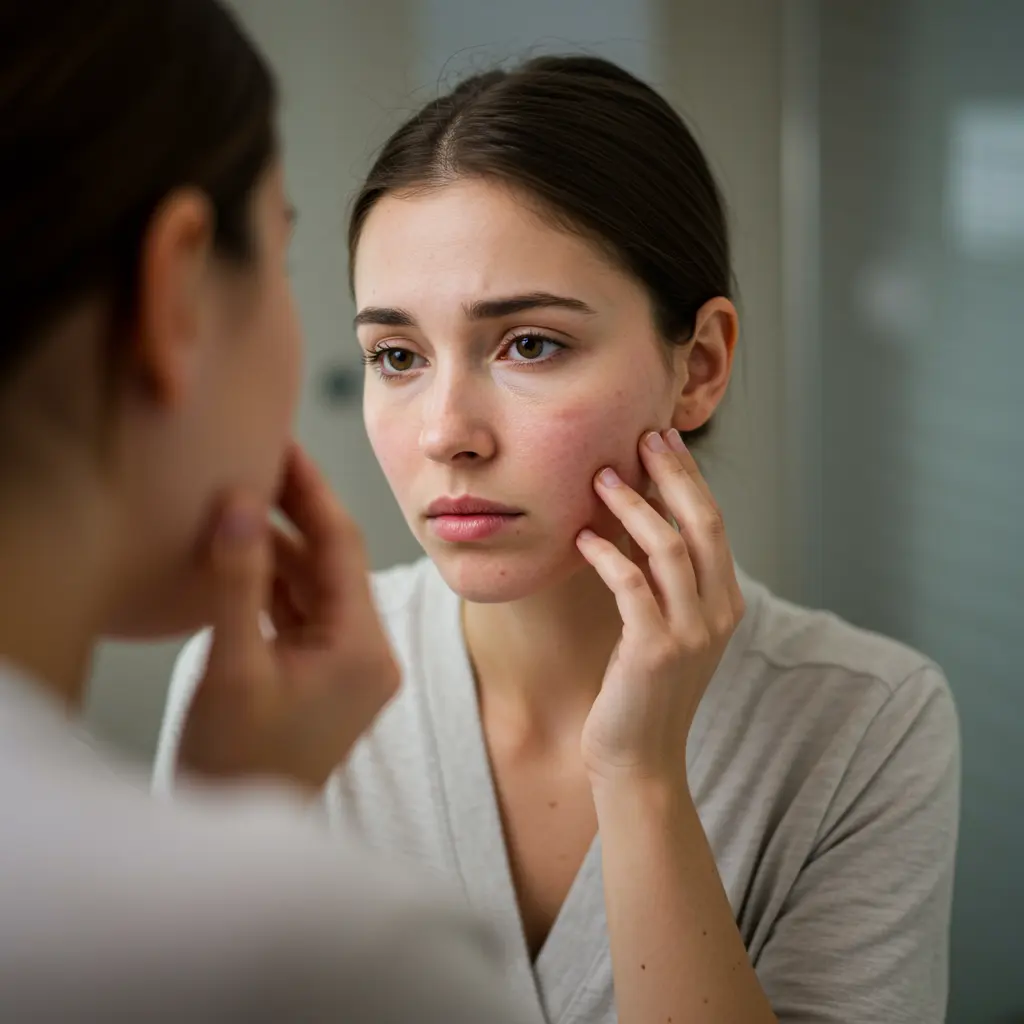
Take photos regularly: Photos from the same angle and lighting, taken at the same time each day (morning is best), provide objective evidence of how swelling is progressing. When you look in the mirror daily, changes feel imperceptible. But comparing day 2 to day 7 photos shows clear improvement.
Keep simple notes: “Day 3: most swelling, can barely open eyes, but no pain. Day 7: noticeably less swelling, eyes opening better.” These notes provide reassurance when anxiety spikes—you can see written evidence that healing is progressing.
Track specific measurements: For some surgeries, measuring circumference (around the face, arm, etc.) with a flexible measuring tape provides concrete data about swelling reduction.
This documentation serves two purposes: it shows you real progress (reducing anxiety), and if you need to contact your surgeon about swelling, having specific information (started improving day 7, now on day 14 and still some puffiness, but improving) is more useful than just saying “I’m still swollen.”
Practical Ways To Manage Swelling During Recovery
While swelling reduces on its own as healing progresses, certain strategies can help minimize it:
Elevation: Swelling is worse when the swollen area is below the level of your heart (gravity increases fluid accumulation). Keeping your head elevated, especially when sleeping, helps reduce swelling. Use extra pillows to keep your head above heart level.
Rest and activity balance: Complete bed rest doesn’t reduce swelling faster. Gentle movement helps—short walks, light activity—but excessive activity increases swelling. The balance is: gentle activity to promote circulation, but not so much that swelling increases beyond the normal range.
Ice (early on): In the first 48 hours, ice can help reduce swelling, though by day 3-5, heat may be more comfortable. Follow your surgeon’s advice on when to use ice versus heat.
Compression: Some procedures benefit from compression garments or wrapping, which can help minimize swelling. Ask your surgeon if this applies to your situation.
Avoiding triggers: Salty food, alcohol, heat exposure, and excessive activity can worsen swelling temporarily. Avoiding these during peak swelling days can help.
Patience: The most important thing is accepting that swelling is a normal, temporary part of recovery. Anxiety about swelling can actually increase it (stress affects inflammation). Accepting the timeline and tracking progress reduces the emotional burden.
If You’re Concerned About Your Swelling
If you’re recovering after surgery and feeling anxious about your swelling—whether it looks “too much,” is changing differently than expected, or you’re just not sure what’s normal—this concern is completely valid.
Most swelling IS part of normal healing. But having someone review your specific situation, confirm that what you’re experiencing fits the expected timeline, and give you clear guidance on what would require medical attention provides significant reassurance.
Whether through a written Recovery Clarity Brief or a 30-minute private consultation, getting this personalized assessment helps you manage swelling recovery with confidence rather than anxiety.
Still unsure what to do next?
Book a 30-minute decision session. Non-medical. Independent. Focused on helping you think clearly about your next steps.
Medical Disclaimer: This article provides general information only and is not medical advice. Always consult with qualified healthcare professionals for medical decisions. ThaiNurse provides non-medical decision support services.