Most people planning cosmetic surgery in Thailand ask the same question first: "Is it safe?"
It's a fair question. You're traveling to another country for an elective procedure. The risk feels real, even if statistically it might not be.
The honest answer: Thailand can be very safe—if you know what to look for and understand how the system actually works.
What "Safe" Actually Means (And What It Doesn't)
When people ask if Thailand is safe for surgery, they're usually thinking about the operating room: the surgeon's skill, the hospital's cleanliness, infection rates, complications during the procedure itself.
These are legitimate concerns. But they're only half the safety equation.
The other half—and the part most patients overlook—is what happens after discharge. Recovery safety. Decision-making clarity. Understanding when to escalate concerns versus when to wait. Having continuity of care in an unfamiliar system.
Thailand does very well with the first. Most international patients struggle with the second.
Thailand's Medical Standards: The Strong Parts
Thailand has positioned itself as a global medical tourism hub for over two decades. Major private hospitals have invested heavily in international accreditation, English-speaking staff, and modern facilities.
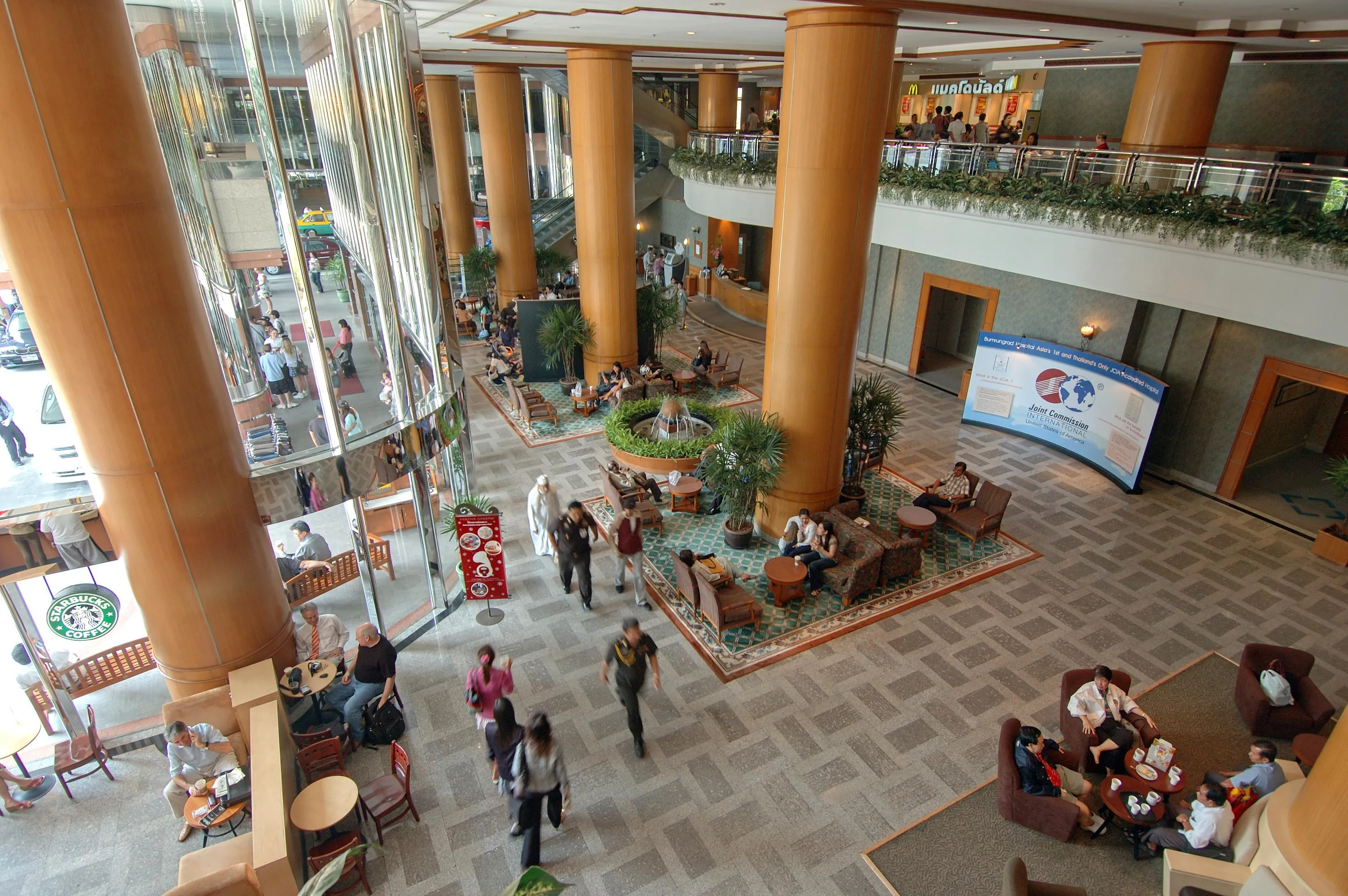
Hospital accreditation: Thailand has the highest concentration of JCI-accredited facilities in Southeast Asia. JCI (Joint Commission International) is a rigorous accreditation that evaluates hospitals against over 1,200 safety standards: infection control, medication management, surgical safety, patient rights, and governance. Hospitals typically recertify every 3 years.
Major cosmetic-focused hospitals include Bumrungrad, Yanhee, Samitivej, Kamol, and Bangkok Hospital—all JCI-accredited. These facilities have modern operating rooms, safety protocols, and experienced anesthesia teams.
Surgeon qualifications: Becoming a specialist cosmetic surgeon in Thailand requires 6+ years of postgraduate training (often 10-12), a minimum number of documented procedures, passing medical council examinations, and presentations or publications. Many top surgeons add international fellowships in the US or Europe.
High volume is a genuine strength: leading Thai surgeons often report thousands of procedures, which correlates with refined technique and experience in handling variations and complications. Compared to other popular medical tourism destinations, this combination—high JCI concentration plus consistently high individual surgeon volume—is one of Thailand's clearest differentiators. Other countries may match Thailand on price or beat it on a specific procedure, but few match this particular combination of accreditation density and surgeon experience at scale.
What Thailand Has That Many Home Countries Don't
Volume is a genuine, underused safety signal. Leading Thai cosmetic surgeons routinely report case volumes many times higher than a typical Western private practice—the kind of repetition that builds pattern recognition for what's normal versus what needs attention. Major hospitals also run dedicated international patient departments, with hospital-employed English-speaking coordinators managing communication, scheduling, and follow-up specifically for foreign patients—infrastructure most home-country clinics simply don't need to build.
Honest Assessment: Where the Data Gaps Are
Thailand has no national cosmetic surgery complication registry. There's no centralized system tracking outcomes across hospitals — most "99% success" or "0% complication" claims circulating online are clinic marketing, not independent data.
The most solid Thailand-specific peer-reviewed data comes from Siriraj Hospital (a major teaching hospital at Mahidol University): their 15-year rhinoplasty series showed a 6.5% complication rate—which is typical and manageable. But this is one hospital, one procedure.
For context, Siriraj's 6.5% is in line with—or slightly better than—rhinoplasty complication rates published in Western literature, where large reviews report around 7-8% overall (one widely cited Aesthetic Surgery Journal review found 7.9%). Comparisons against a generic "2-4% complication rate" figure you'll sometimes see quoted are misleading: that number typically covers all cosmetic procedures combined and often counts only major complications, while a rhinoplasty-specific series like Siriraj's counts everything—including minor, temporary issues—over a full 15 years. Judged on a like-for-like basis, Thailand's data holds up well against international benchmarks. What's still true is that Thailand has no nationwide registry consolidating this across all hospitals and procedures, so hospital-by-hospital verification remains the honest approach.
What is verifiable, and where Thailand leads the region: JCI accreditation status, surgeon board certification, and hospital procedure volume are all things you can check directly—and on all three, Thailand has the deepest bench in Southeast Asia.
Complication Risks: What Actually Happens
Complications after cosmetic surgery are rare overall, but they do occur. The most common include:
Seroma or hematoma
fluid or blood collection, managed with drainage or observation
1% or less
Wound complications
minor infections, managed with antibiotics or cleansing
0.2–0.9%
Numbness or nerve changes
usually temporary
Common
Revision surgery needed
varies by procedure
Less common
Most complications are manageable. The real danger is not the complication itself—it's if you don't catch it early, or if you try to manage it alone without proper medical guidance.
This is precisely why staying long enough for proper follow-up in Thailand, or having a clear escalation plan before you leave, is critical to safety.
Medical-Tourism-Specific Risks Are Real
The CDC has documented complications in medical tourism patients. Their data shows that returning patients with post-surgical infections are the main safety concern—not because Thai surgeons are incompetent, but because of gaps in continuity of care.
Patients who leave Thailand too early, don't follow up properly, or don't communicate clearly with their local doctors back home sometimes develop infections that could have been caught earlier.
Flying too soon after major surgery also increases blood clot risk. The CDC recommends waiting 10-14 days after major/chest surgery before flying.
How to Choose a Safe Clinic: The Red Flags
Also verify: Is an anesthesiologist (not the surgeon) managing your anesthesia? This matters significantly for safety—research shows cardiac risk is dramatically higher when a surgeon administers anesthesia rather than a specialist. At JCI-accredited Thai hospitals, a board-certified anesthesiologist on the care team is standard practice, not an exception. This is a question worth asking of budget clinics anywhere in the world, including at home—it isn't a Thailand-specific risk.
The Real Safety Lever: Recovery Planning
Here's what the research consistently shows: most "horror stories" from medical tourism aren't about the surgery itself. They're about what happened after.
A patient flies home too soon and develops a blood clot. Another misses early infection signs because they didn't know what to watch for. Another panics over normal swelling and makes permanent decisions under stress.
These are recovery management failures, not surgical failures.
This is where recovery planning becomes your primary safety tool:
Why Recovery Clarity Matters More Than You Might Think
You can have the world's best surgeon and a perfect operation. But if you don't understand what your recovery should look like—what swelling is normal, when pain should improve, what numbness or asymmetry means—you'll spend weeks anxious and uncertain.
That anxiety itself slows recovery. It affects sleep, stress hormones, and your ability to follow post-op instructions.
Patients who understand their recovery timeline, who know what to expect emotionally and physically, and who have someone to verify their concerns are legitimate—these patients recover better. They're calmer. They catch real problems earlier. They don't make panic decisions.
This is the gap that exists between excellent surgery and excellent overall medical tourism experience. Thailand has a genuine advantage here that's separate from the clinical data: it's simply a pleasant, well-developed place to spend two or three weeks. Calm surroundings and something to look forward to as pain and swelling ease aren't just nice-to-haves—they support the calmer, lower-stress recovery that the research above shows actually leads to better outcomes.
Making Your Decision
Thailand can absolutely be safe for cosmetic surgery. The hospitals are modern, the surgeons are experienced, and the medical standards are solid.
But safety isn't just about the surgery. It's about the full journey: choosing the right hospital, understanding your recovery, having a clear escalation plan, and getting clarity when you're uncertain.
If you're planning surgery in Thailand and you want to move forward with confidence—understanding not just whether surgery is safe, but how to manage your entire recovery as a foreigner in an unfamiliar system—that clarity is worth getting upfront.
Whether through a $12 Recovery Clarity Brief that assesses your specific situation, or a $59 Decision Session where you can talk through your concerns with someone who understands the Thai healthcare system and recovery decision-making, getting this clarity before surgery helps you make decisions from confidence, not fear.
The surgery itself is likely to be safe. Making sure your entire experience is safe—that's the part worth planning for.
Still unsure what to do next?
Book a 30-minute decision session. Non-medical. Independent. Focused on helping you think clearly about your next steps.
Medical Disclaimer: This article provides general information only and is not medical advice. Always consult with qualified healthcare professionals for medical decisions. ThaiNurse provides non-medical decision support services.